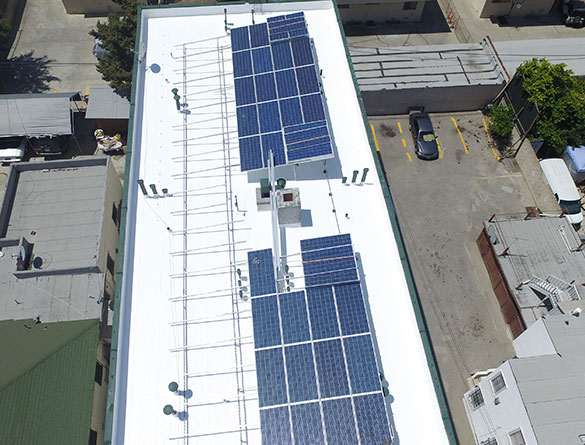
Commercial roof restoration offers a method to extend the utility of an existing roofing system without the expense and intrusiveness of a full tear-off. American High Tech Roof Coatings Inc. applies high-solids silicone roof coatings designed to address the specific challenges facing commercial buildings in Lakewood. This process involves applying a liquid-based silicone membrane directly over the existing roof substrate. Once cured, this creates a seamless, waterproof barrier that adheres fully to the underlying surface.
Property managers and building owners utilize this service to address leaks, improve energy efficiency, and prolong asset life. The following information details technical specifications, suitable applications, and financial implications of silicone roof coating systems.
Commercial Roofs Best Suited for Silicone Coating
Silicone coatings are chemically engineered to adhere to a wide variety of roofing substrates. However, the condition of the existing roof determines eligibility. The roof must be structurally sound with dry insulation. Silicone is particularly effective for the following roof types:
- Spray Polyurethane Foam (SPF): Silicone protects foam from UV degradation and physical damage.
- Metal Roofs: The coating halts rust and seals seams or fasteners where leaks commonly originate.
- Single-Ply Membranes (TPO, PVC, EPDM): Aged membranes that have begun to chalk or crack can be resurfaced to restore waterproofing capabilities.
- Modified Bitumen and Built-Up Roofs (BUR): Silicone seals the granulated surface and prevents further asphalt degradation.
Businesses and Buildings Suited for Restoration
The application process of silicone coating is low-impact, making it suitable for facilities that cannot afford operational downtime. American High Tech Roof Coatings Inc. frequently services the following facility types:
- Warehouses and Distribution Centers: These facilities often have large surface areas where cooling costs are a significant expense. The reflective nature of silicone reduces thermal load.
- Retail Centers and Strip Malls: Installation generates minimal noise and no chemical odors, allowing retail tenants to remain open during the project.
- Medical Facilities and Office Buildings: The non-intrusive application prevents the intake of dust or debris into sensitive HVAC systems.
- Manufacturing Plants: Protecting high-value interior equipment from water intrusion is critical. Silicone provides an immediate watertight seal.
Weather Considerations in Lakewood
Local weather patterns in Lakewood dictate specific roofing requirements. The region experiences distinct seasonal shifts, including periods of intense UV exposure and seasonal rainfall. Silicone roof coatings possess chemical properties specifically beneficial for this climate.
Ponding Water Resistance: Unlike acrylic coatings, silicone is inorganic and does not break down under standing water. Flat commercial roofs in Lakewood often develop low spots where water accumulates. Silicone maintains its integrity even when submerged, preventing moisture from penetrating the building envelope.
UV Stability: High UV exposure causes many roofing materials to become brittle and crack over time. Silicone is UV stable and reflects up to 90% of the sun's rays. This reflection prevents the substrate from absorbing heat and degrading, maintaining flexibility throughout daily thermal expansion and contraction cycles.
Longevity: Extending Roof Life by 20 Years
A properly installed silicone roof coating system extends the life of an existing roof by 10 to 20 years, depending on the thickness of the application (measured in mils). The material remains flexible indefinitely and resists oxidation.
Furthermore, silicone systems are renewable. Toward the end of the warranty period, the roof can be cleaned and recoated with a fresh layer of silicone. This process can be repeated, potentially deferring total roof replacement indefinitely as long as the structure remains sound. American High Tech Roof Coatings Inc. provides warranty options that align with the specific mil-thickness selected by the property owner.
Comparison: Silicone Coating vs. Re-Roofing
Replacing a commercial roof is a capital-intensive construction project. Restoration via silicone coating offers a distinct alternative. The table below outlines the operational and financial differences between a complete tear-off and a silicone restoration.
| Factor | Silicone Roof Coating | Traditional Re-Roofing |
|---|---|---|
| Cost | Significantly lower (Labor and material efficient) | High (Includes demolition and disposal fees) |
| Installation Time | Days (Rapid application) | Weeks (Complex construction) |
| Waste Generation | Zero landfill waste | Tons of debris sent to landfills |
| Business Disruption | Minimal noise, no shutdown required | High noise, potential closures, safety risks |
| Permitting | Often classified as maintenance | Requires full building permits |
Cost Benefit Analysis of Silicone Roof Coating
Beyond the direct comparison with re-roofing, silicone coatings offer ongoing financial benefits that affect the Net Operating Income (NOI) of a commercial property.
- Energy Cost Reduction: The "Cool Roof" effect of white silicone reflects solar energy, reducing roof surface temperatures by up to 50 degrees Fahrenheit. This reduction lowers the workload on HVAC units, leading to decreased electricity consumption during peak summer months.
- HVAC Maintenance Savings: By lowering the intake air temperature and reducing cycling frequency, the lifespan of rooftop HVAC units is often extended.
- Tax Advantages: In many tax jurisdictions, roof restoration is classified as a maintenance expense rather than a capital improvement. This classification allows building owners to expense the entire cost in the year it is incurred (Section 179), rather than depreciating it over 39 years. Consult with a tax professional to verify specific eligibility for your business.
American High Tech Roof Coatings Inc. assists Lakewood property owners in evaluating the current state of their roofing assets to determine if silicone restoration is the most financially prudent course of action.