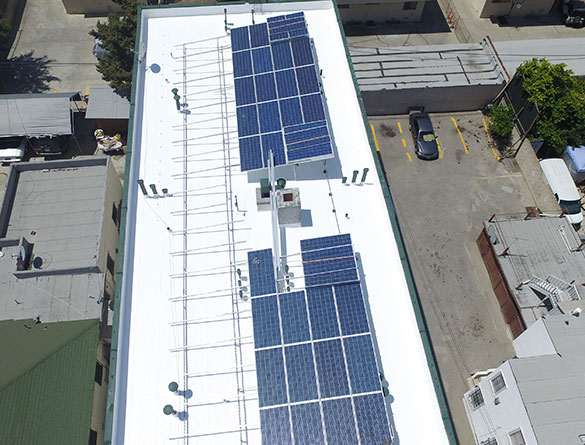
Commercial property owners in Arcadia face specific challenges regarding roof maintenance, primarily due to the region's climate and building regulations. Silicone roof coating, also known as silicone restoration membranes (SRM), offers a fluid-applied solution used to restore existing roofs without the need for a complete tear-off. American High Tech Roof Coatings Inc. provides this service to extend the lifecycle of commercial roofing systems, improve energy efficiency, and resolve chronic leaking issues.
This process involves applying a high-solids silicone layer directly over an existing roof substrate. Once cured, the material forms a seamless, monolithic barrier that is impermeable to water and highly reflective of UV rays. For facility managers and building owners, understanding the technical specifications and economic advantages of this system is necessary for making informed infrastructure decisions.
Ideal Roof Candidates for Silicone Coating
Silicone coatings are engineered for adhesion to a wide variety of commercial roofing surfaces. The chemistry of silicone allows it to bond effectively to substrates that other coatings, such as acrylics, may struggle to adhere to long-term. American High Tech Roof Coatings Inc. evaluates the existing condition of the roof to ensure the substrate is dry and sound before application.
The following roof types are best suited for silicone restoration:
- Metal Roofs: Silicone prevents rust and seals seams and fasteners where leaks commonly originate.
- Modified Bitumen & Built-Up Roofs (BUR): The coating seals the textured surface and prevents the degradation of bitumen caused by UV exposure.
- Single-Ply Membranes (TPO, PVC, EPDM): Aged membranes often crack or shrink; silicone provides a new protective layer that halts this deterioration.
- Spray Polyurethane Foam (SPF): Silicone protects the foam from UV damage and physical wear.
Weather Considerations in Arcadia
Arcadia experiences high temperatures and intense solar radiation throughout much of the year, alongside occasional heavy rainfall. Roofing materials expand and contract significantly under these thermal cycles, which leads to seam separation and membrane cracking.
UV Stability and Reflectivity
Silicone is inorganic, meaning it does not break down under ultraviolet light. It maintains its flexibility indefinitely and does not chalk or become brittle. The bright white finish of a standard silicone coating reflects up to 88% of the sun's UV rays. This reduces roof surface temperatures significantly, mitigating thermal shock and reducing the heat load transferred into the building.
Ponding Water Resistance
Many flat commercial roofs in the area suffer from poor drainage and ponding water (water that stays on the roof for more than 48 hours). Unlike acrylic coatings, which re-emulsify or peel under standing water, silicone is non-sacrificial and withstands permanent ponding water without deteriorating. This makes it the preferred choice for flat roofs with known drainage issues.
Comparison: Silicone Restoration vs. Full Re-Roofing
The primary alternative to roof coating is a complete roof replacement. This process involves tearing off the existing materials, disposing of them, and installing a new system. The following table compares the operational differences between silicone restoration provided by American High Tech Roof Coatings Inc. and traditional re-roofing.
| Factor | Silicone Roof Restoration | Full Roof Replacement |
|---|---|---|
| Cost | Typically 50% to 70% less than replacement. | High labor and material costs. |
| Landfill Impact | Zero waste; existing roof remains in place. | Significant tonnage of waste sent to landfills. |
| Business Disruption | Minimal noise and odor; business stays open. | Loud noise, heavy equipment, potential closures. |
| Permitting | Often considered maintenance; faster approval. | Requires complex building permits and inspections. |
| Installation Time | Rapid application process. | Weeks of labor intensive demolition and installation. |
Cost Benefit Analysis
Investing in silicone roof coating yields quantifiable financial returns beyond the immediate savings on installation. Property owners should consider the total cost of ownership when evaluating this option.
Energy Savings
By reflecting the majority of solar heat, silicone coatings keep the building interior cooler. This reduces the workload on HVAC systems during Arcadia's hot summers, leading to lower monthly electricity bills. Reduced equipment strain also extends the lifespan of air conditioning units.
Tax Advantages
Roof restoration is generally classified as a maintenance expense rather than a capital improvement. This allows building owners to expense the entire cost in the year the work is completed under current tax codes, rather than depreciating the asset over 39 years. You should consult with a tax professional to confirm eligibility for your specific property.
Longevity: Extend the Life of Your Roof by 20 Years
A properly installed silicone system by American High Tech Roof Coatings Inc. can extend the service life of an existing roof by up to 20 years. The thickness of the coating determines the length of the warranty, which typically ranges from 10 to 20 years.
Once the warranty period expires, the roof can usually be washed and recoated with a new layer of silicone. This renewability feature allows the roof system to remain sustainable for decades without ever requiring a full tear-off, provided the underlying structure remains dry and stable.
Businesses and Buildings Best Suited for Coating
Silicone roof coating is a strategic solution for various commercial sectors in Arcadia. The application process is low-impact, making it suitable for buildings that cannot afford downtime or operational interruptions.
- Warehouses and Distribution Centers: Large surface areas benefit most from the cooling costs reduction.
- Retail Shopping Centers: Installation does not disrupt customer traffic or tenant operations.
- Medical Offices and Hospitals: The low-odor application ensures safety and comfort for patients and staff.
- Office Buildings: Reduces noise pollution associated with construction, allowing business to continue as usual.
- Apartment Complexes and HOAs: Provides a cost-effective solution for property managers working within strict budget reserves.